Think about the last time someone in your community asked for a recommendation. Maybe they needed a freelance designer, a reliable accountant, or a consultant who actually understands their industry.
What happened next? You probably tagged someone you trust. Or maybe another member chimed in with a link. An introduction was made, a conversation started, and eventually, money changed hands. A deal was closed.
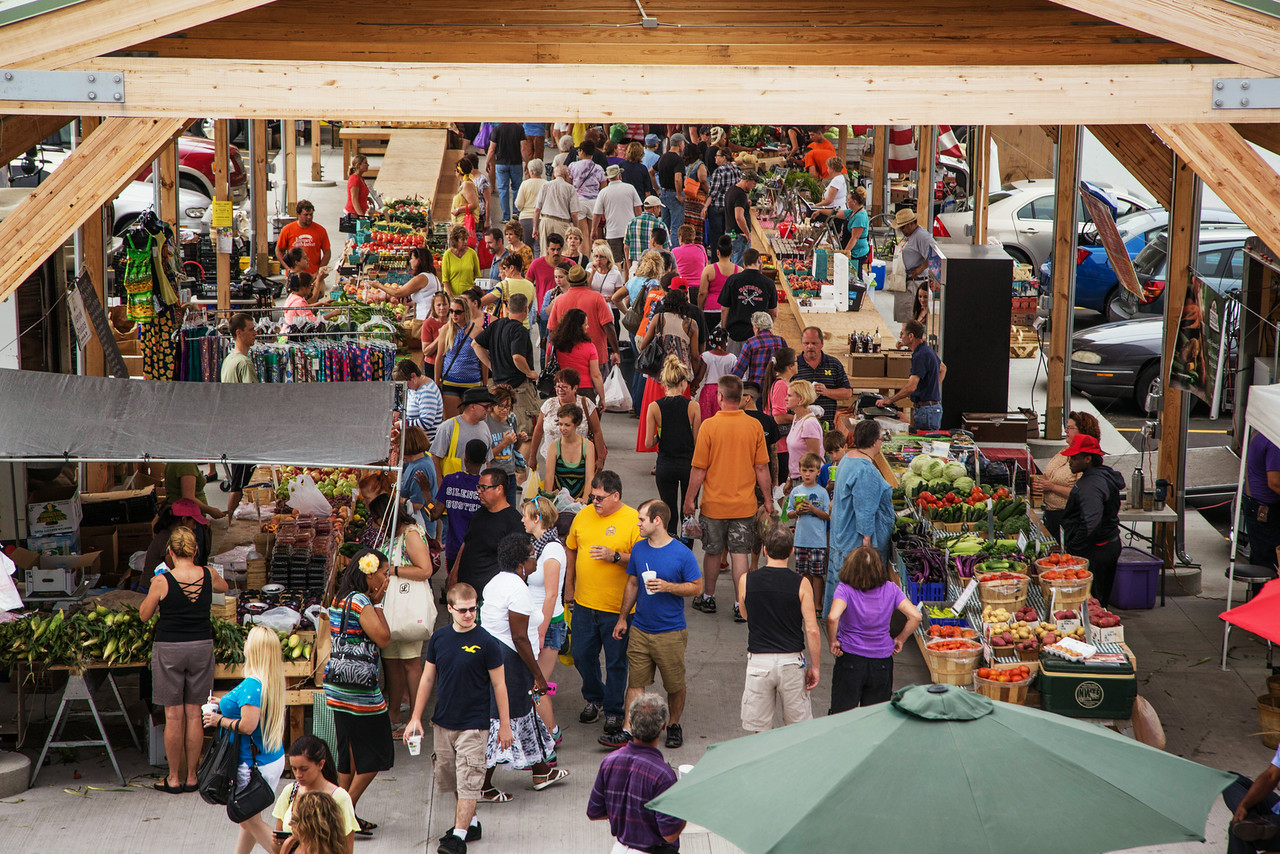
This happens every single day in WhatsApp groups, Slack channels, and Discord servers around the world. Communities are engines of commerce. They are high-trust environments where people prefer to buy from each other rather than from strangers on the internet. In fact, the global social commerce market reached $1.48 trillion in 2025, driven largely by peer-to-peer recommendations and community trust.
The Invisible Role of the Community Leader
In every thriving community, there is a person — usually the founder or the core moderation team — who acts as the central node. You curate the members. You set the tone. You build the trust that makes these transactions possible.
"You are facilitating business. You are generating leads. You are acting as a broker. The only problem? You're not getting paid like one."
In the traditional business world, a broker is someone who connects a buyer and a seller and takes a commission for facilitating the transaction. Real estate agents do it. Insurance brokers do it. Even platforms like Uber and Airbnb are essentially massive, automated brokers.
But community leaders in the West? They do the exact same work — building the marketplace, vetting the participants, creating the environment for the exchange — and they do it for free. A recent survey showed that 44% of online communities are intentionally kept small (under 100 members) to maintain high trust, yet the leaders of these high-trust micro-economies capture almost none of the value they create.
A Model Already Proven at Scale
If you think earning a commission from your community feels strange, look to the East. In China, the "Community Group Buying" (社区团购) model is already a $23.8 billion industry.
In this model, a "community leader" — often a trusted local resident — manages a WeChat group of up to 500 people. They curate products, share recommendations, and consolidate orders. For their work in facilitating these transactions, the community leader earns a 10% to 20% commission on every sale made through their group.
They aren't seen as "selling out." They are recognised as valuable brokers who reduce friction, curate quality, and provide customer service. They are compensated for the trust they've built.
Why We Accept Zero
Most community leaders in the West don't monetise these transactions because the tools simply don't exist. If you run a WhatsApp group, how do you take a 5% cut of a freelance gig that two members agreed upon in a private DM? You can't.
So, you rely on the only monetisation models available to you:
- Sponsorships: Begging brands for a few hundred dollars to put their logo in your newsletter.
- Paid Memberships: Charging a flat monthly fee, which creates a massive barrier to entry and limits your community's growth.
- Selling your own time: Consulting or coaching, which doesn't scale.
The Cobuntu Shift
What if the infrastructure of your community actually supported the reality of what happens inside it? What if, instead of a chaotic chat feed where deals happen in the shadows, you had a structured environment where commerce is a feature, not an accident?
That's the shift from being a "group admin" to being a "community broker."
When you own the platform where the transactions happen, you can set the rules. You can endorse specific services. You can create a marketplace where members buy and sell from each other, and the platform automatically routes a percentage of every transaction to you.
You built the trust. You gathered the people. The business is already happening. It's time you captured your fair share of the value you create.