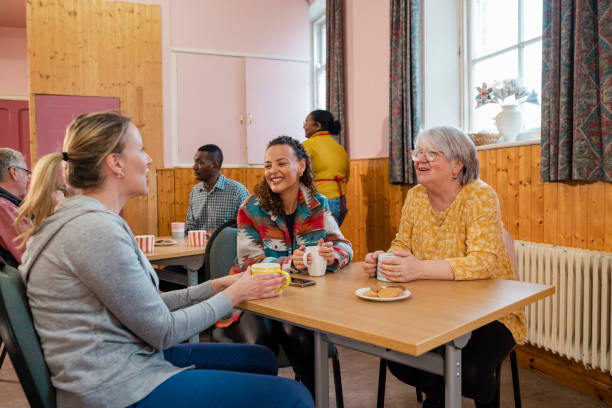
If you run a community for expats, digital nomads, or entrepreneurs, you already know the truth: your group is not just a place for conversation. It is a marketplace.
Every day, people in your community are asking for recommendations. They need a local accountant who speaks English. They need a co-founder. They need a reliable real estate agent. They need a freelance designer to build their MVP.
And every day, those connections are made. Deals are closed. Money changes hands. The global expat services market alone is valued at $4.8 billion [1]. And where do people go to find those services? They go to the communities you built.
But here is the problem: you aren't capturing any of that value.
The Invisible Economy in Your DMs
Most community leaders in the expat and entrepreneur space rely on one of two flawed business models:
- The Free Group: You host a WhatsApp or Facebook group. It's highly active, but you make zero money from it. You do it for "networking," while other people use your audience to sell their services.
- The Paid Membership: You put the community behind a paywall (like Skool or Patreon). You charge $20/month. But this creates friction. It limits your growth, and members churn the moment they find the connection they were looking for.
Both models miss the point. In a highly transactional community, the value isn't in the access to the group. The value is in the transactions that happen inside it.
"The business is already happening in your community. You just aren't a part of it."
The Broker Model: A Better Way to Monetise
Instead of charging people just to be in the room, what if you facilitated the business they are already trying to do?
This is the Broker Model. It's how the most successful modern communities are monetising without alienating their members.
Here is how it works in practice:
- The Expat Hub: Instead of letting real estate agents spam your WhatsApp group, you create an official "Housing" channel in your Social Business Hub. When a member rents an apartment through an agent in your hub, you take a 10% referral fee.
- The Founder Network: Instead of founders asking for random agency recommendations, you curate a list of vetted service providers (designers, developers, lawyers) within your community. When a founder hires an agency through your hub, you earn a commission.
- The Digital Nomad Collective: Members can list their own freelance services directly in the community. When one member hires another, the platform automatically routes a small percentage of the transaction to you, the community leader.
Why This Works Better Than Subscriptions
When you monetise via transactions rather than subscriptions, your incentives align perfectly with your members.
You want the community to be as large and active as possible, so you keep access free. Members love this because there is no barrier to entry. But when real value is exchanged—when someone lands a $5,000 client or finds a reliable tax lawyer—you get paid for being the connector.
You stop being just a "group admin" and become the broker of your own micro-economy.
How to Build Your Social Business Hub
The reason most leaders haven't done this yet is because the tools didn't exist. WhatsApp is great for chatting, but terrible for business. Skool is great for courses, but has no infrastructure for peer-to-peer commerce.
That is why we built Cobuntu. It is the first platform designed specifically for community commerce. It gives you the chat features your members expect, combined with the transactional infrastructure you need to act as a broker.
Your community is already an economy. It's time you started treating it like one.
Ready to claim your value?
Stop letting transactions happen in the shadows. Build your Social Business Hub today.
Launch your Hub for free